The ETHS Club →
Students working together over a circuit board in a partner classroom

A peer-to-peer STEM platform since 1998

Every student we teach becomes someone else's teacher.

Youth Technology Corps trains students to teach students, in order to teach others — and then to manage the process themselves. What started in a Chicago classroom now runs in partner programs across Africa, Mexico and Chicagoland. The model scales through its participants, not its payroll.

Learn itTeach itLead itRepeat
1998the year the model was founded
7countries running partner programs, with three more opening
<$40kannual operating budget, zero full‑time employees
3indigenous languages the curriculum now speaks

The handoff is the education.

Most education programs measure what a student can do. We measure what a student can pass on. Each student taught becomes a teacher; each teacher becomes a leader; each leader returns as an alumnus who supports the next layer of student-teachers.

Leadership roles are handed down along with the curriculum, the institutional knowledge and the program structure — the system transmits the way the system teaches. That is why it travels into communities our central organization does not directly serve, and why it has survived on a budget that would not cover one program coordinator's salary at a peer organization.

Everywhere the model goes beyond our two Chicagoland clubs, we support partner organizations that govern, finance and run their own programs inside our structural framework. They own it. We built the shape.

01

Learn

A student arrives knowing nothing about the inside of a computer, a microcontroller or a line of code — and is taught by someone barely older than they are.

02

Teach

They teach what they just learned: to newer members, to families, to a partner classroom on another continent, often in a language they had to learn to teach in.

03

Lead

They run sessions, train the next teachers, and take responsibility for a site, a class, or a country program of their own.

04

Repeat

They come back — as alumni, as curriculum designers, as staff. Our Chief Technology Officer came up this way.

The idea is older than we are

Each one, teach one.

The phrase was born in the United States during slavery, when a person who learned to read took it as a duty to teach another. It was carried later into the literacy movements of the Philippines, the political prisoners' classrooms at Robben Island, and the adult education campaigns of Jamaica and Nigeria.

Youth Technology Corps was founded in 1998 to apply that same idea to the opportunity gap in STEM. We started next door and found our way across the globe.

Years before the pandemic forced the world's classrooms online, we were already running cross-border instruction over the internet between Cicero and Durango. By the time virtual peer-to-peer learning became a global necessity, it had been our regular practice for years.

What we run

Three alliances, one method.

01 · Global Alliance

Africa, driven by local heroes.

In 2022 the U.S. State Department recognized what we had built. Through its partner IREX, federal exchange programs began sending fellows to study our peer-to-peer model in our Chicago classrooms — accomplished young leaders from the Community Engagement Exchange and Community Solutions programs.

Then the program started travelling. Prosper Tornyi broke the ice and carried it home to Ghana. Then to Namibia with Eslien. To Cameroon with Luzette. To Mozambique with Manuel. Each fellow went home and built a country program through institutional partnerships they secured themselves.

In August 2024, IREX Project Director Leslie Miles wrote a letter of support endorsing YTC and the emerging Global Alliance. Read the letter ↗

  • GhanaProsper Tornyi — the first fellow, and the announcement of where we were going Running
  • NamibiaYouth programs staffed by teachers sourced from both Ethiopia and Evanston Running
  • CameroonBuilt by Luzette after her fellowship Running
  • MozambiqueShining Lord's School, Beira — Director Felicity Anywanu Hear her ↗ Running
  • EthiopiaHaile Manas Academy, taught by student-teachers trained in Evanston Running
  • Sierra LeonePartner program inside the Alliance Running
  • NigeriaLagos Opening
  • Pakistan · IraqPartner programs in formation Opening
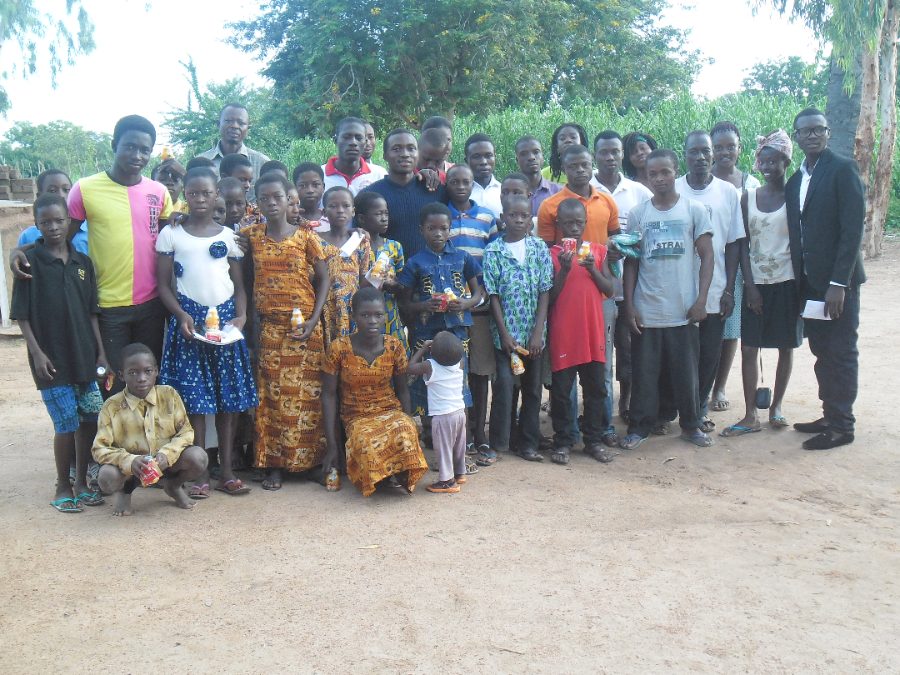
Students at a YTC partner site in Ghana
A YTC partner site in Ghana. Each country program is governed, financed and run locally — we supply the structure, not the staff.
02 · Latin American Alliance

Mexico was built trip by trip.

Twenty-six years of relationship-building in Cicero produced our bridge to Durango. In 2024 a $48,000 Mission to Mexico State Department grant tested whether the model could scale when capital arrived. Read the full Mexico story ↗

It did. Two schools became eight grant program sites across four Mexican states, reaching schools that serve two thousand students — hundreds learning the curriculum, dozens advancing to teach it themselves.

Then the partner did something we could not have done ourselves. The Universidad Tecnológica del Mezquital revised the curriculum and translated it into three indigenous languages — Audam, O'dam and Huichol — and has begun passing it to nine learning centers in those communities. That is cultural authenticity the model produced on its own, because the people running it were the people from there.

What the grant proved, and what it could not. It proved the structure deploys at scale when capital and institutional partnership arrive together. It could not prove, in fifteen months, the deeper work: building the peer mentoring culture that turns participants into people who carry the work forward. That took decades in Cicero. It takes time everywhere. A fifteen-month grant unlocked part of a twenty-six-year foundation — the institutional scaffolding that would make it an operational process is what the next phase of support would build.

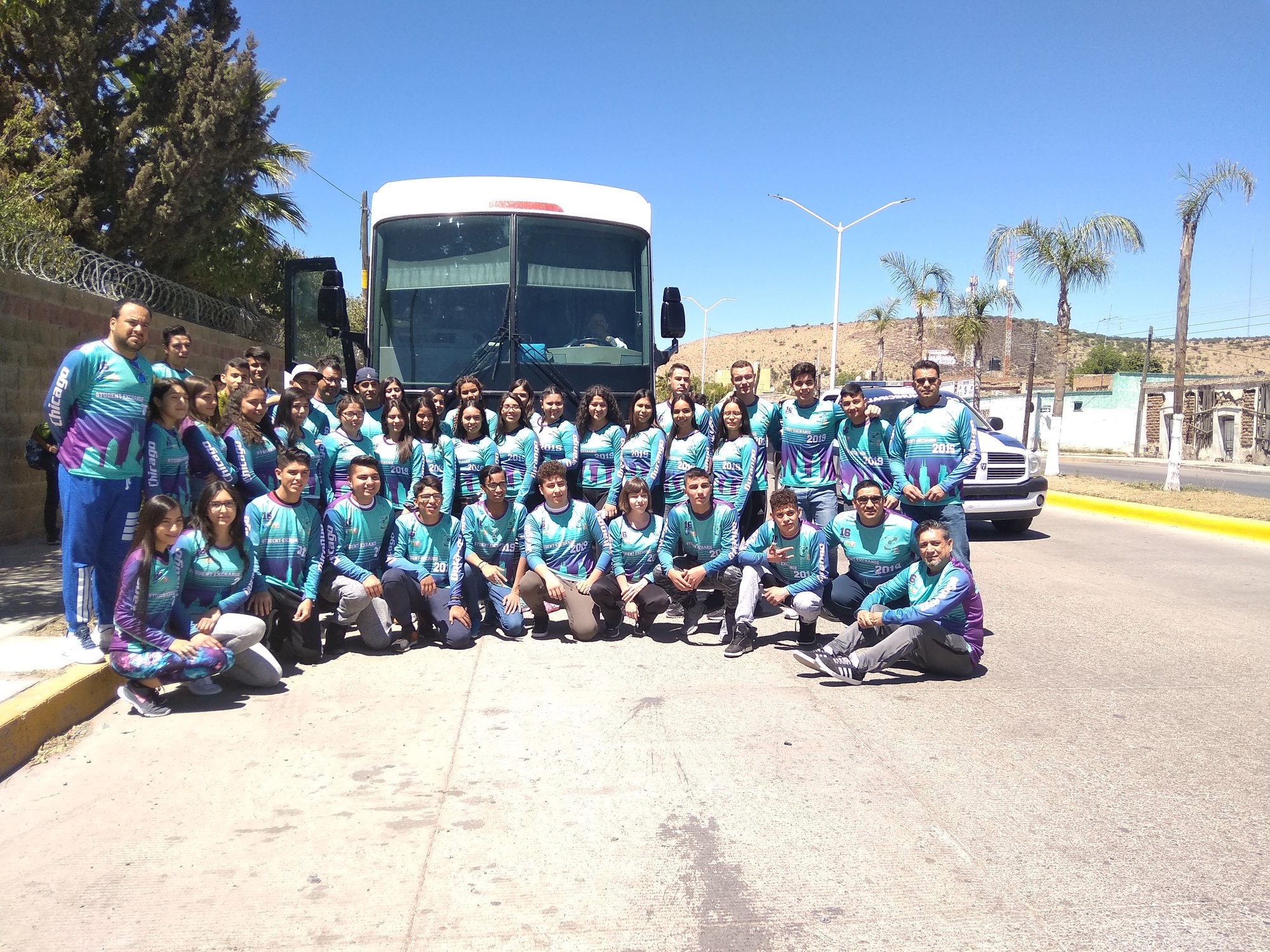
A large group of students in matching Chicago Student Exchange jerseys in Durango, Mexico
The Chicago–Durango student exchange. The bridge to Mexico was built by students crossing it, long before a grant existed.
03 · Domestic Programs

Two clubs, and the ladder around them.

YTC directly runs two STEM education clubs: Morton East High School in Cicero and Evanston Township High School in Evanston. These are where the model is built, tested and taught before it travels.

Around them sits the ladder that makes the method work. A middle-school camper at Camp Kuumba walks into a YTC Arduino program and is taught by a high school student — who learned that curriculum from a student a few years ahead of them. The session runs under the eye of a college student from Oakton, UIC or Northwestern. Four rungs, all within a few years of each other, and every rung was once taught by the one above.

That camper is not only learning a skill. They are meeting the club from their own future high school, and being introduced to an educational system they may not have felt was built for them.

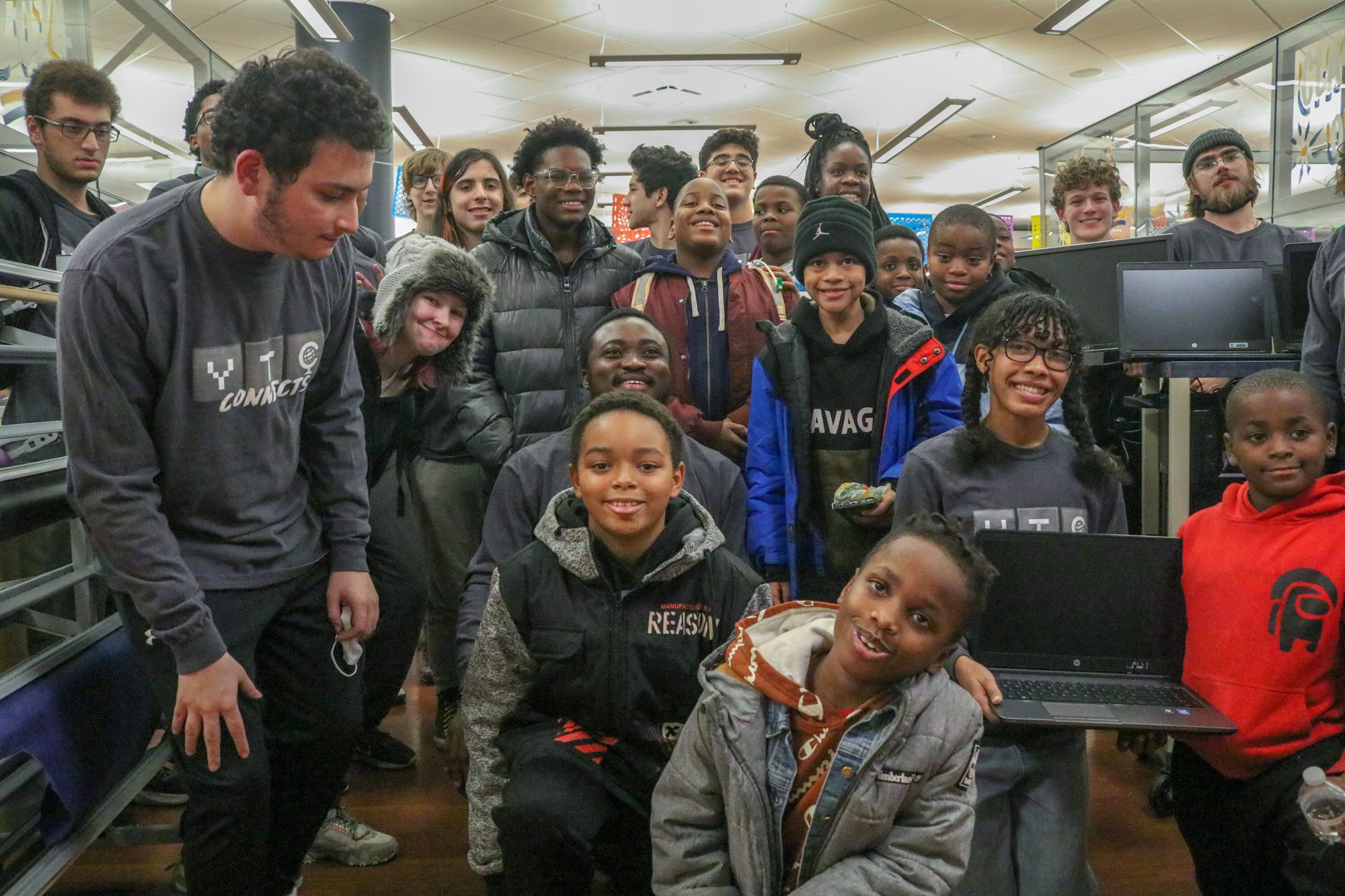
Students handing refurbished computers to Camp Kuumba families
Camp Kuumba, Evanston. Students refurbished the computers, then met the families receiving them.

The same shape, two geographies

A student becomes a teacher, becomes a leader, keeps becoming.

The Chicago student exchange delegation in Durango, Mexico

Juan Zarco

Morton East · Cicero → Mexico

  • Learn. Joined YTC as a sophomore. He had never opened the inside of a computer and did not know how one worked.
  • Teach. As a junior he took Introduction to Robotics with Arduinos, and was on the first team to teach it in Spanish, over the internet, to students in Durango.
  • Lead. Led the YTC tech team in college, rebuilding the curriculum for the post-pandemic world. Earned a Master's in Electrical and Computer Engineering, and was selected for the Aspen Young Leaders Fellowship — representing YTC and the Aspen Institute as a speaker at SXSW EDU in 2025.
  • Repeat. Now YTC's volunteer Chief Technology Officer. In 2026, students in Durango — taught from a curriculum he rebuilt — translated his Arduino program into three indigenous languages. See Juan’s journey ↗
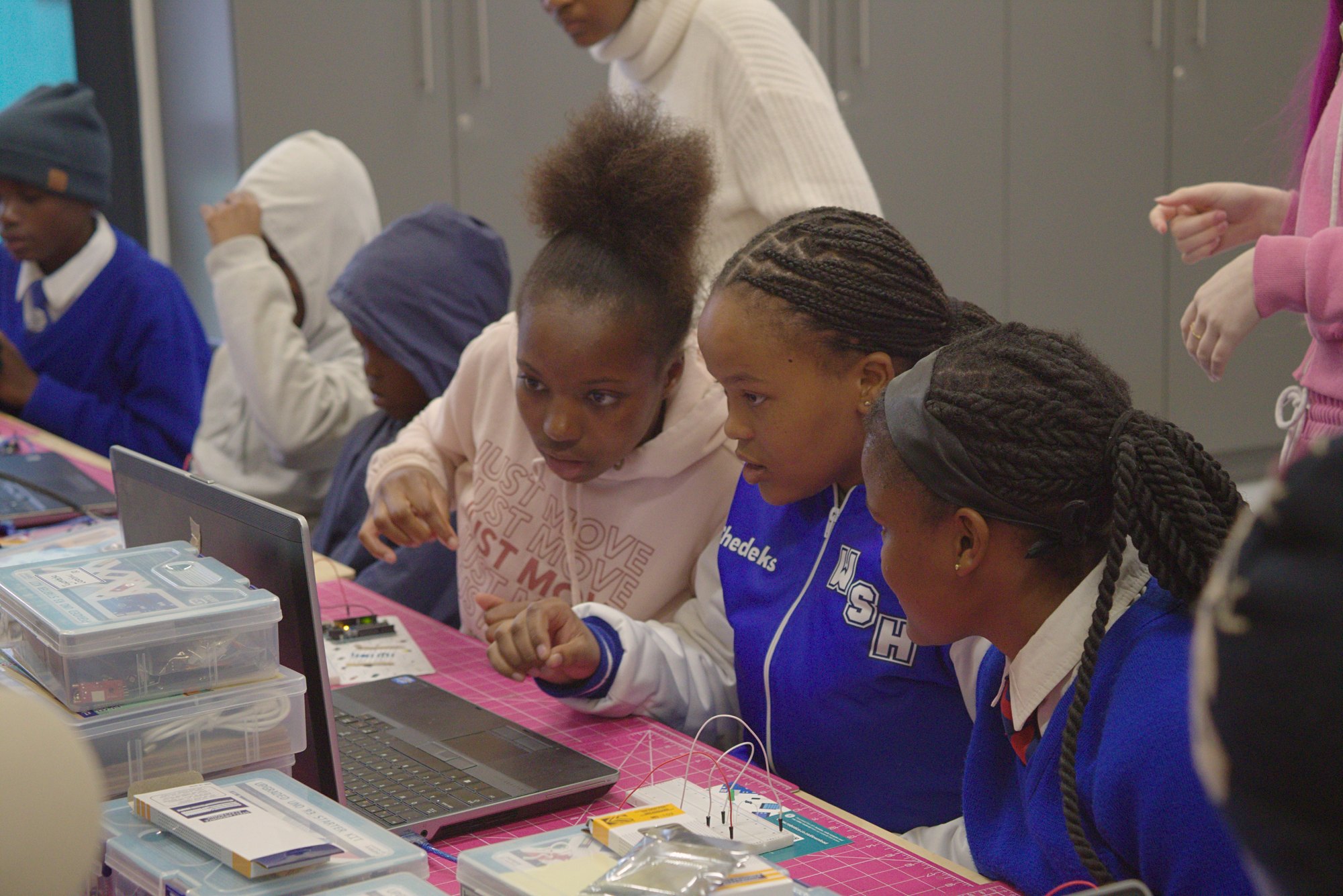
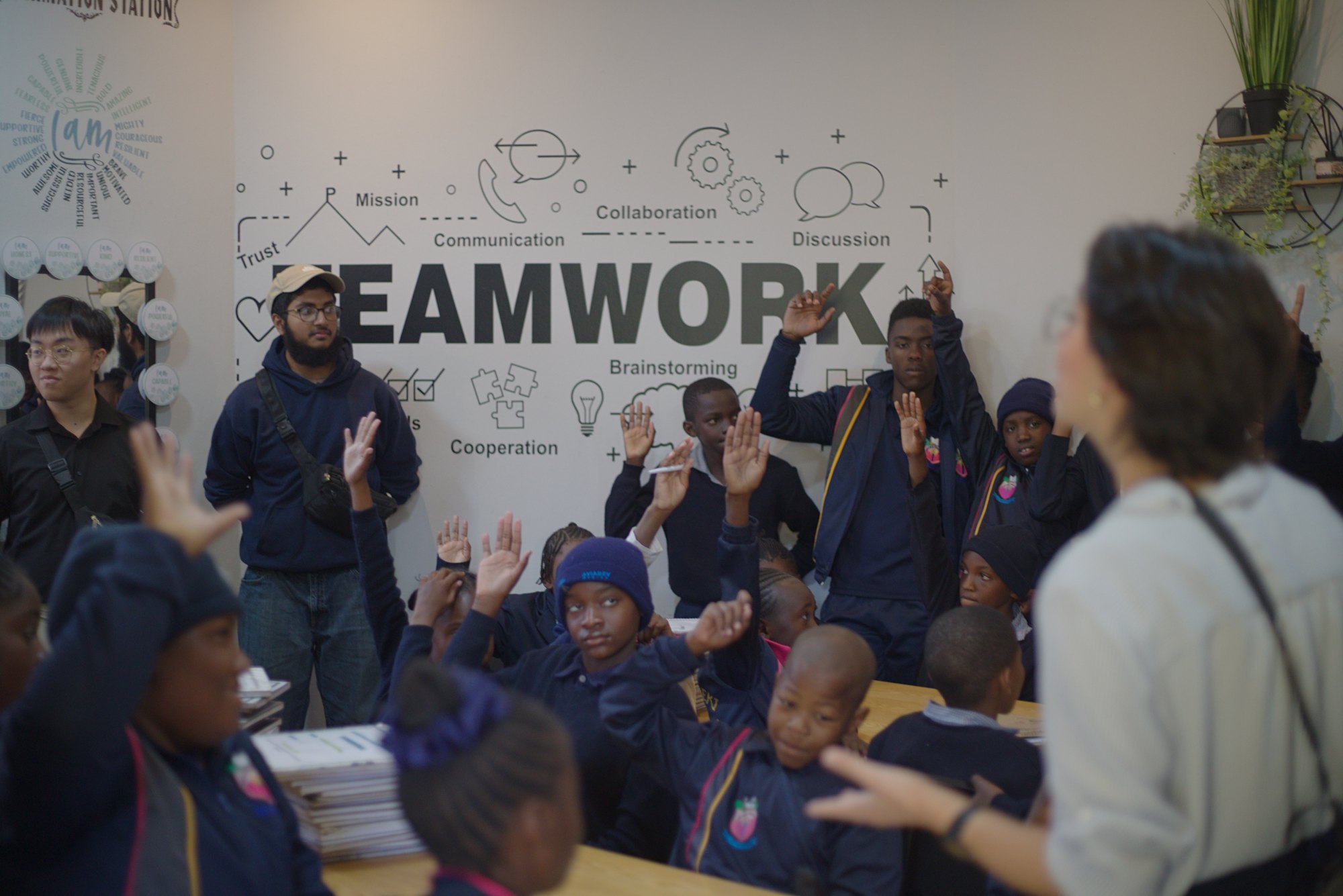
Students working with Arduino kits in a Namibian classroom

Furqaan Idrees

Evanston Township → Ethiopia & Namibia

  • Learn. Walked in as a freshman wanting a computer of his own. He earned it the YTC way — refurbishing and donating computers to one hundred Camp Kuumba families.
  • Teach. After his sophomore year he moved from refurbishment to robotics.
  • Lead. By his junior year he was overseeing instruction of Ethiopian students at Haile Manas Academy and training a new generation of teachers, locally and across partner sites. Half a year later, Namibia's programs were staffed by teachers sourced from both Ethiopia and Evanston.
  • Repeat. He graduates this spring — and signed up for the summer to redesign the curriculum for the students of Camp Kuumba. The same children whose families' computers he refurbished four years ago.

College Partner Program

Universities teaching into high school clubrooms.

Georgia Tech

Student Makers · STEM instruction

Beginning this school year, Student Makers at Georgia Tech will teach STEM sessions virtually into a YTC clubroom, with a faculty advisor serving on our grant advisory committee.

It is the first university chapter in the program.

Drexel — TechServe

Refurbishment consultants

TechServe, a nonprofit inside Drexel's club system, concentrates on computer refurbishment. Their students will act as live consultants in YTC classrooms — roughly a day a week — working through refurbishment problems as they come up.

In discussion: TechServe authoring a computer refurbishment curriculum to publish here alongside our own.

The point is not any one partnership. It is a shape that repeats: a university chapter adopts a YTC club, a faculty member attaches, and undergraduates get a real teaching practicum while high school students get people only a few years ahead of them. We intend to make that a one-page offer any university can say yes to.

What we dream

How we mentor matters more than the curriculum.

We want to spread education like a synchronous peer-to-peer Khan Academy — with empathic mentors who walk a student through a project the way an older sibling would.

That means a series of curriculum videos taking a student from the ground floor to the makerspace, and a learning platform that hosts every lesson, tracks participation, shows a visible leadership ladder and records how well our student-teachers actually mentor. Boy Scouts wear their badges on their sleeves; YTC students will wear them on a screen. FIRST Robotics seeds new clubs by connecting them to corporate sponsors and then gradually pulling back — a model we would adopt.

And every student who decides to try us must feel welcomed and supported, regardless of effort or success. STEM is not for everyone. What interests us is quality youth programming and a more empathic world.

Why now. As the world careens into the next generation of AI, underserved communities here and abroad deserve the chance to build next-generation skills. Our capacity today is committed to Chicagoland and Mexico — which means the global expansion stops here until support arrives.

Hossam Basha, our 2023 CEE Fellow from Cairo, on what the model does when it is allowed to grow ↗

Where you can watch it run

The Evanston club has its own site.

YTC at Evanston Township High School documents the work in public — a map of every Evanston site the club has reached, the record of the trips and donations, and the student portal the members built themselves.

It is the closest thing we have to a live demonstration of the model, kept by the students running it.

Visit the ETHS club site →
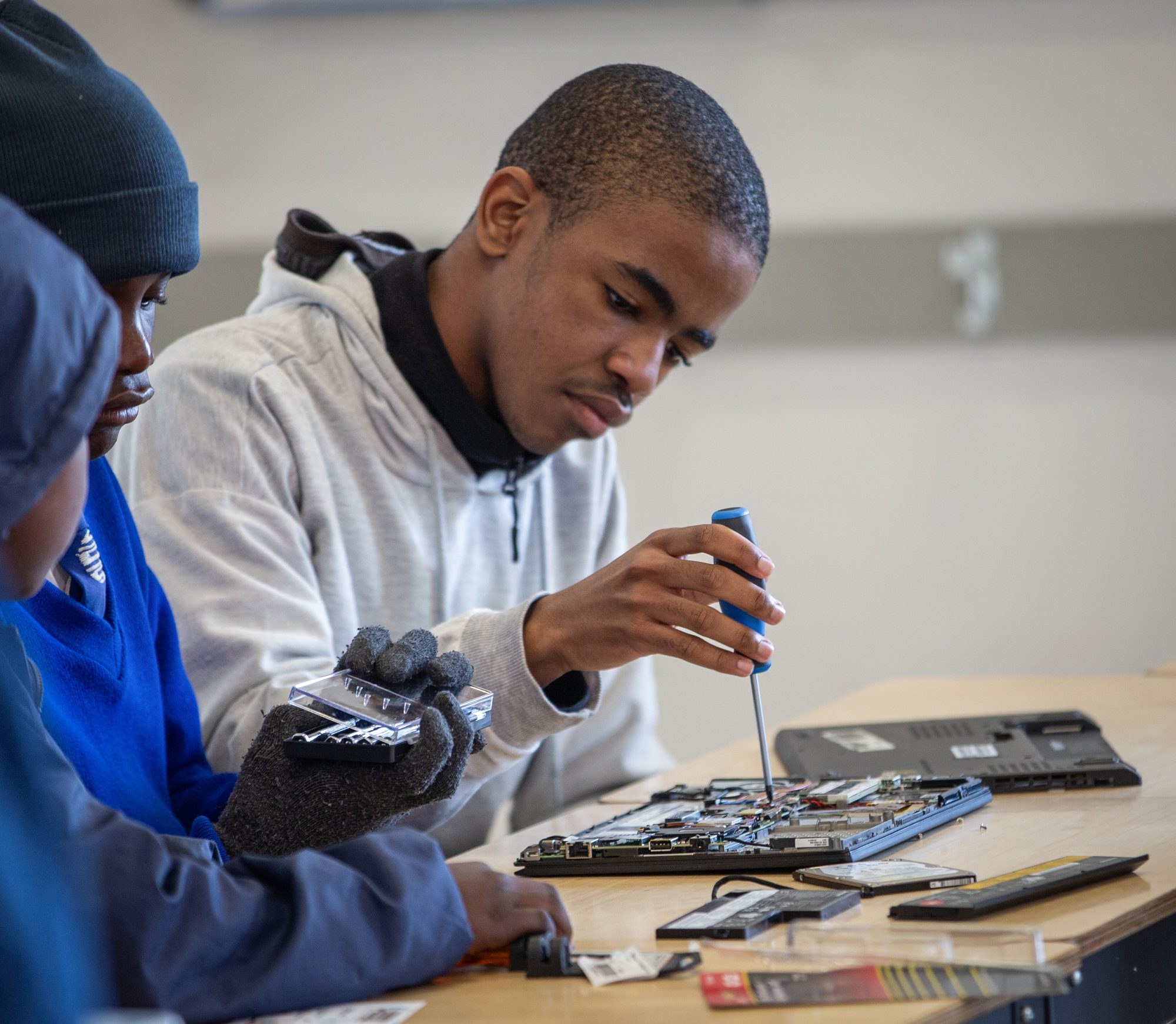
A student repairing an open computer at the workbench
Where a member starts: a donated machine, opened up.